book club confession
Yesterday at our classics book club, the conversation turned to one member’s unhappiness with her husband. We all commiserated— most women in her shoes would feel the same, given the circumstances.
Then suddenly, a woman in our group — middle-aged, long married, her children grown — blurted out, “Pain and suffering! That’s what being a wife and mother is: pain and suffering!”
We erupted in laughter. Not polite laughter, but the kind that comes when someone says something raw and unvarnished—and true.
Pain and suffering.
Her words lingered. They reminded me of all the things my mother didn’t tell me.
what my mother didn’t tell me
My mother didn’t tell me that I would sometimes feel my happiness— even my very survival—depended on my husband. She didn’t say how much power he and the children would wield over me, or that I’d spend a lifetime learning how to be free. She never mentioned that I’d come to recognize my own mental and emotional slavery only through the experience of being a wife and mother—or that the very instruments of my bondage might also become the keys to my freedom.
My mother didn’t tell me that motherhood would change me irrevocably.
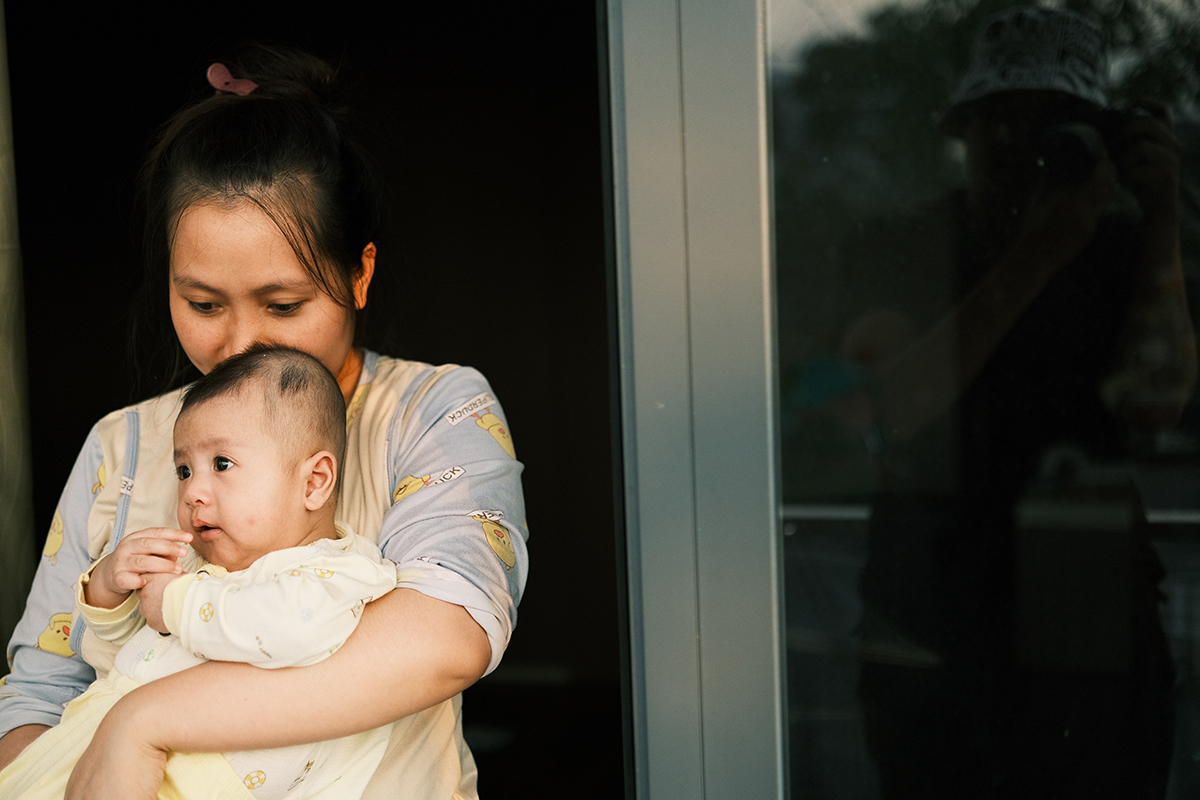
That I’d feel sick with worry or dread for my children—and that those feelings would never leave me, not even in old age. She didn’t tell me I’d grow dizzy, short of breath, panicked by their suffering. Or how helpless I would feel in the face of their heartbreak. Or how boundless love can be.
My mother didn’t tell me that, for weeks after giving birth, I’d feel like the ugliest woman alive—belly sagging, skin creased below the bikini line, everything leaking, everywhere. She didn’t say that the mere thought of thinking about my baby would cause milk to flow. My milk flowed like my love: abundant, unpredictable, with a life of its own.
My mother didn’t tell me how much sleep I’d lose—or that I’d lose it for years. She did say I’d get a full night’s rest again once the last child moved out. That, at least, turned out to be true.
My mother didn’t tell me I’d grow more vulnerable with each child, or that a mother’s love is wild and reckless. She never said that many women simply aren’t built for mothering—and that this is why some run, and others remain numb. Somewhere deep inside, they know: they will have to die. Lose their lives. Give themselves up.
As Saint Paul (not a mother) wrote:
I die daily.
As Saint Paul (not a mother) said:
I DIE DAILY.
goddesses and ghosts
My mother didn’t explain that the reason people wave and say, “Hi, Mom!” when they’re on television is because mothers are goddesses. Every mother is a goddess in the eyes of her child.
A mother’s love is so powerful, it lasts a lifetime and beyond. Just remembering that love—even faintly—you know you are enough. And this is true even if you don’t remember your mother, or if a mother’s love came through a grandmother, aunt, sister, or father.
It’s that love that makes loving yourself possible.
the alchemy of suffering
Most women know, deep down, that being a wife and mother means pain and suffering. But we’re rarely bold or honest enough to exclaim “pain and suffering!” in the middle of a book club meeting.
Being a woman, a wife, a mother—it has never been easy. But the suffering of motherhood can lead to enlightenment, if only we are willing to pry our fingers loose and stop resisting it.


Leave a Reply