
diagnosing childhood
It’s increasingly common to diagnose young children, especially boys, with psychiatric disorders for behaviors once seen as typical. Dismissing well-established research on early childhood development, we are adults who insist on having our own way—even at the expense of our children. Only later will we realize the cost was our own souls.
Psychologist, educator, and author David Elkind is one of many who has written prolifically about the destructive trend toward education of younger and younger children, and warned us that dire consequences would proceed from such placements of preschool-aged children into what amounts to too-early education. His warnings have fallen on deaf ears, as kindergarten for three- and four-year-olds is now common. Nearly as soon as a little child can talk, his parents are taking him to preschool two or more days per week so that Mommy and Daddy can follow their dreams. A widespread rise in suffering among young children has resulted, occasioning labeling, diagnosing, and medicating—responses that cannot heal the wounds inflicted and demanded by parents, nor those enabled by society.
The word psychopathology literally means “the expression of the suffering of a soul.”1 Yet in a world that no longer honors the soul, engages in meaningful spirituality, or embraces the suffering required of truly loving parents, we have become like the ancient pagans—offering our sons and daughters to the fires of Ba’al Molech as human sacrifices. And then we dance.
the abuses of freedom
I am sick at heart over how we have squandered the great freedoms and blessings of our nation—using them as shields for self-interest, neglect, and the abandonment of our children.
Some critics of parental sacrifice argue that an ill-equipped mother is better off leaving her troubled child in an environment where he suffers daily than equip herself to suffer in his place. In this framework, loving one’s neighbor—even when that neighbor is one’s child—holds no place in modern ethics. Faced with a choice between her own wellbeing and that of her child, she is encouraged to choose herself, and to quiet the child with medication. Undoubtedly, this response reflects a wound she inherited from her parents—but that does not justify passing it on.
Even so, healing begins with the courage to recognize our actions and to choose what relieves suffering rather than compounds it. In my view, this is the only truly ethical choice a devoted parent can make.
against the myth of having it all
I’ve been struck by Oprah Winfrey’s repeated reflections on her decision to remain unmarried and child-free—choices she made with a deep sense of responsibility. She has often explained that she could only pursue one path with the excellence it deserved.
I realized, “Whoa, I’m talking to a lot of messed-up people, and they are messed up because they had mothers and fathers who were not aware of how serious that job is.”
— Oprah Winfrey 2
That realization shaped her view of parenthood not as a default life stage, but as a calling that demands total presence, self-awareness, and intention. She recognized that she could not simultaneously be an exceptional wife, mother, and talk show host—and she refused to do any of those roles poorly. By choosing to focus on becoming the best version of herself, she challenged a cultural script that demands women excel in every domain—career, marriage, motherhood—as if such a thing were even possible, let alone sustainable.
The rest, as we know, is history—but her reasoning invites a deeper look at how society undervalues the real labor of parenting, even as it assigns immense moral weight to it.
the working child
Just as society undervalues the real labor of parenting, we also underestimate the critical importance of nurturing early childhood experiences—or the harm that can come from premature or excessive instruction. Despite mounting evidence that early or excessive schooling can cause lasting damage, we continue to place unwavering trust in the system. The reality is that young children subjected to the pressures of school and the adult world too soon face significant psychological and physical risks. Consider the typical schedule of an American child under the age of five: many live lives that mirror the overburdened routines of their parents.
Because parents work, their children are, in effect, working too. Parents who rise at 6:00 a.m. must also wake their children; those who need to be at the office on time require their children to be in child care or preschool promptly. While Mom and Dad put in their 40-hour workweek, Junior puts in his own, plus the commute. Add to that the stress of a rigid “educational” program—one that wasn’t designed with a young child’s developmental needs in mind—and it’s no surprise that we’re seeing a dramatic rise in affective disorders among both children and adults. The human psyche wasn’t meant to endure such constant stress, but we do it anyway, as if it were the norm.
And yet, we continue to turn a blind eye to the consequences.
the results of miseducation
In 1982, David Elkind predicted that the early childhood miseducation of children would result in a generation of teenagers and young adults who “will be more neurotic than teenagers today. They will show more obsessions, more compulsions, more phobias, more psychosomatic symptoms than do teenagers today.” 3 Twenty years have passed since Elkind wrote his seminal book, and what we have seen is sobering. Not only was Elkind correct, but we can also see that he the consequences of inappropriate early childhood education were more dire than predicted.
The Archives of General Psychiatry published a study on the incidence of childhood and adolescent psychiatric disorders which found that by the age of 16 years, 36.7% of new psychiatric cases in previously unaffected children had met criteria for at least one DSM-IV psychiatric disorder, and approximately 20% of children were diagnosable at any given time.4
The estimate of diagnosable psychopathology among boys greatly exceeded that for girls, with a much higher cumulative prevalence of Conduct Disorder (CD) and ADHD. Girls accumulated more cases of depression and anxiety disorders. The research was reviewed several times.
safeguarding childhood
Who will take the lead in reducing the stress burden on young children? If we find that exposure to violent media—television, movies, video games, music—heightens stress and contributes to mental illness in some, will we finally see technology designed to provide G-rated alternatives to PG-13 content? If research confirms that having one parent at home and delaying school entry until age five or seven reduces stress and improves mental health, will we, as a society, follow the example of other postmodern nations by financially supporting at-home parents—without jeopardizing their careers or livelihoods later?
I wonder.

featured art
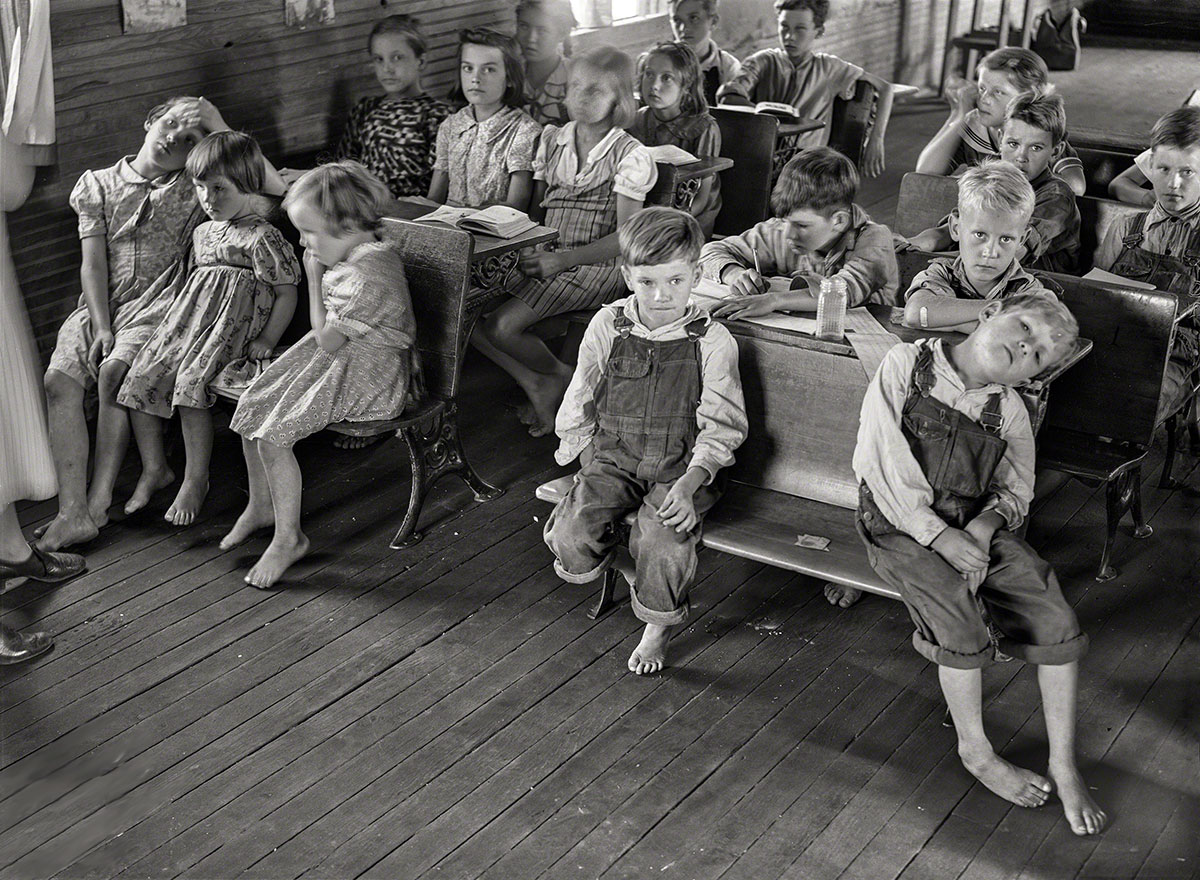
paul strand photographs, 1890-1976
notes
- psychopathology: from the Greek roots psyche, breath, spirit, soul, mind; and patho, suffering, feeling, dis-ease + –logia, the word, speech, expression. ↩︎
- Fernandez, Alexia and Mary Green. “Oprah Winfrey Explains Why She Chose Not to Marry or Have Kids.” People Magazine, 2019. ↩︎
- Elkind, David. Miseducation: Preschoolers at Risk. Alfred A. Knopf, 1989, p. 202 ↩︎
- Costello, E. J., Mustillo, S., Erkanli, A., Keeler, G., & Angold, A. “Prevalence and Development of Psychiatric Disorders in Childhood and Adolescence.” Archives of General Psychiatry, 60(8), 837-844. ↩︎
resources
- Elkind, David. The Hurried Child: Growing Up Too Fast Too Soon. Reading, MA: Addison-Wesley, 1981.
- —. All Grown Up and No Place to Go: Teenagers in Crisis. Reading, MA: Addison-Wesley, 1988.


Leave a Reply