
cheat (v.):
1. to defraud; swindle. 2. to deceive; influence by fraud. 3. to elude; deprive of something expected.
fidelity
Some years ago, my husband’s grandfather died, leaving land and other property worth millions of dollars to his heirs. Several years before his death, we visited the family homestead. My husband and his granddad walked the land that had been in the family since the Land Run, and his sweet old granddad told him, “Our home place, and your great-granddad’s homestead too, will be yours. We wanted these parcels to go to you, because we know you’ll love and care for them as we have.”
Later that afternoon, as we prepared for the long drive home, Pepa placed the family Bible into my hands. “These are our generations,” he said, “I know you’ll take care of this the same way Memaw and every other wife and mother did, and recorded our marriages, births, and deaths.” Sweetie and I drove home marveling over the conviction communicated so unexpectedly but directly by his 90-year-old grandfather. We realized that day that my husband had not gone unseen in his large family.
A few months later, we received legal documents from Pepa by certified mail. He had placed the property into a trust and retained his two most trustworthy sons to administer it. Included in the behests, he had specifically named my husband as the one who would inherit the home places, their homes and outbuildings and contents, along with their mineral rights.
fraud
About a year after the trust was established, my husband’s grandfather went into a nursing home. While he was there, one of his two trustee sons was murdered by vagrants passing through the area. This tragedy was carried on the news statewide and nationally, for that uncle was a respected teacher, rancher, and family man. A manhunt for the killers was successful, and the three received multiple life sentences.
Now only one son was left, the son who later developed Alzheimer’s and was relieved of his duties as a trustee. Next, my husband’s granddad died, and the two remaining sons took charge. These uncles cheated my husband out of his inheritance as we sat by helplessly, in spite of having hired attorneys and gone to court and spent four years trying to litigate our way out of being cheated.
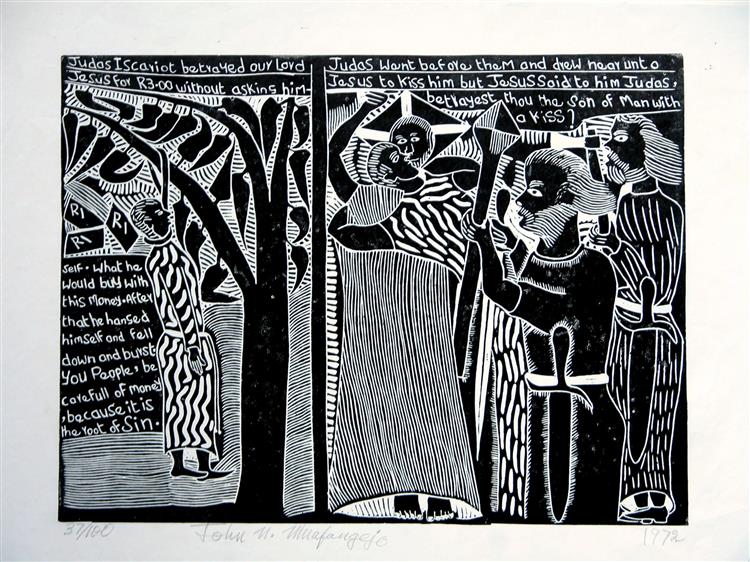
It’s especially painful when someone you trust, like, or even love cheats you. As King David said in Psalm 55, it doesn’t bother you as much when it’s an enemy who cheats you, but when it’s a family member or friend, someone you trust, someone you’ve gone to church with, someone who has lived under your roof or with whom you’ve been intimate—oh, my. Oh my, oh my. When one you broke bread with cheats you, one who “dipped his bread with me” at the table as Judas did with Jesus, then you know you’ve been cheated.
life’s losses
Everyone has been cheated or will be cheated at some point in life. Everyone has had someone else make a promise they later broke. Everyone has been on the switch end of the old bait-and-switch hustle. Everyone has felt victimized by life or the universe or circumstances, when we don’t receive what was promised, planned, or hoped for.
You marry someone you thought you knew, and six years later you discover he’s been cheating on you. You raise your children with every value you can muster, and when you finally have an empty nest and can look forward to a comfortable retirement with your spouse, your oldest child is diagnosed and your future becomes one of shared unwelcome and terrifying probabilities. You have to raise your grandchild. You get cancer. You retire and go on the world cruise you both always dreamed of, but your husband dies on the first leg of your journey. Your child is born with a disability, and you learn you will always have to take care of her. Or, as actually happened to a friend of ours, the healthy kidney is mistakenly removed and the diseased one left. “You’ll have to be on dialysis unless a donor is found,” they said. At some point or another in life, everyone is cheated or feels cheated. Being cheated is loss.
what is owed?
Even when they haven’t actually been cheated, everyone feels cheated from time to time due to expectations. Psychoanalyst Karen Horney wrote at length about expectations, which she called “claims,” and their use by wounded folks. She said that we often have unspoken expectations and go through life imposing them on others without getting enough reality checks to discover whether or not our claims are, in fact, reasonable. What is owed is the stuff of psychology and religion.
What do you owe me? What do I owe you? What did I give you, and what must you give me in return? How do the laws of reciprocity, of sowing and reaping, apply? Is an outcome, a hope, a dream, an expectation, a contract, a covenant something I should be attached to? Or does all attachment lead to suffering, as Buddha taught?
Can a person ever be truly free of expectations? Ought we be? Is being free of expectations a worthy goal? What do we do when we’re feeling cheated, or when we have, in fact, been cheated? What can we do afterward with our feelings of sorrow, humiliation, shame, astonishment, and anger?
These are questions we ponder when we feel—or have been—cheated.


Leave a Reply